Want Us To Contact You?
Cupping Therapy
Cupping therapy uses specialized cups to create suction on the skin, promoting increased blood flow, tissue mobilization, and pain relief. At Rock Physical Therapy and Acupuncture, we integrate cupping as part of our comprehensive treatment approach to help you move better, recover faster, and return to the activities you love.
What Is Cupping Therapy?
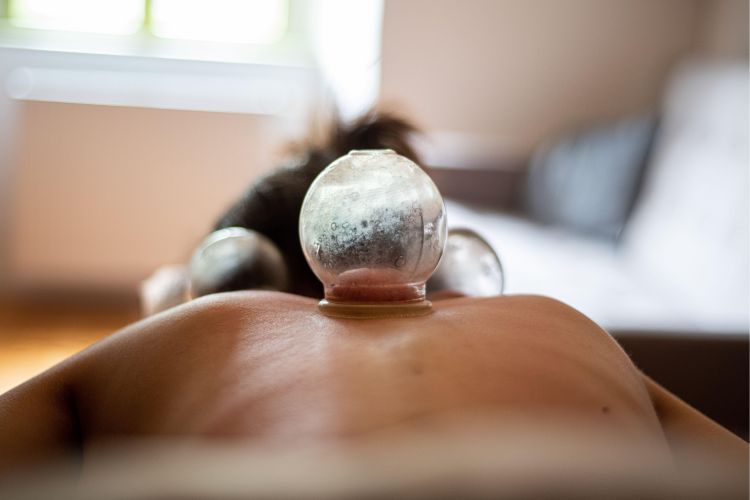
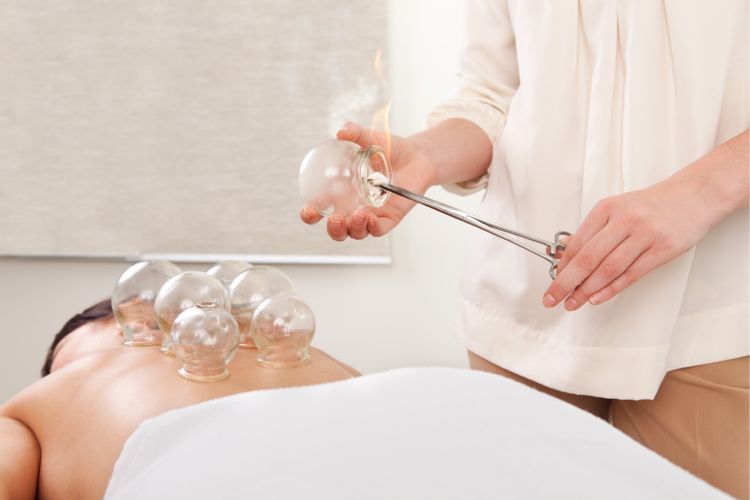
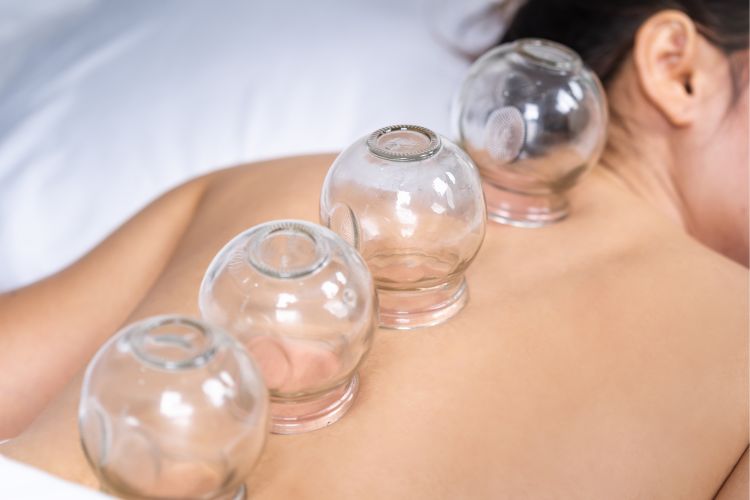
Cupping involves placing cups—typically made of silicone, glass, or plastic—on specific areas of the body to create a vacuum effect. This gentle suction lifts the skin and underlying fascia, drawing fresh blood to the area and encouraging your body’s natural healing processes.
The cups may remain stationary or be moved across the skin in a technique called “gliding cupping.” While cupping has roots in traditional Chinese medicine, modern physical therapy has adopted this modality based on its measurable effects on tissue mobility, inflammation reduction, and pain management.
How Cupping Can Help You
Relief from Muscle Tension and Pain
Cupping helps release tight, knotted muscles by increasing circulation and reducing adhesions in soft tissue. This makes it particularly effective for addressing chronic pain in areas like the neck, shoulders, back, and legs.
Improved Range of Motion
By lifting and separating layers of fascia and connective tissue, cupping can help restore mobility in stiff or restricted joints. This is especially beneficial for athletes or individuals recovering from injury who need to regain full movement.
Enhanced Recovery After Exercise
The increased blood flow stimulated by cupping delivers oxygen and nutrients to fatigued muscles while flushing out metabolic waste products. Many athletes incorporate cupping into their recovery routines to reduce soreness and speed up healing between training sessions.
Reduced Inflammation
Cupping encourages lymphatic drainage, which helps reduce swelling and inflammation in injured or overworked tissues. This can be particularly helpful for conditions like plantar fasciitis, IT band syndrome, or rotator cuff injuries.
Complementary Treatment for Chronic Conditions
For individuals managing ongoing conditions such as fibromyalgia, migraines, or chronic back pain, cupping can provide symptomatic relief and improve overall function when combined with other physical therapy interventions.
What to Expect During Cupping Treatment
Your physical therapist will assess your condition and determine whether cupping is appropriate for your treatment plan.
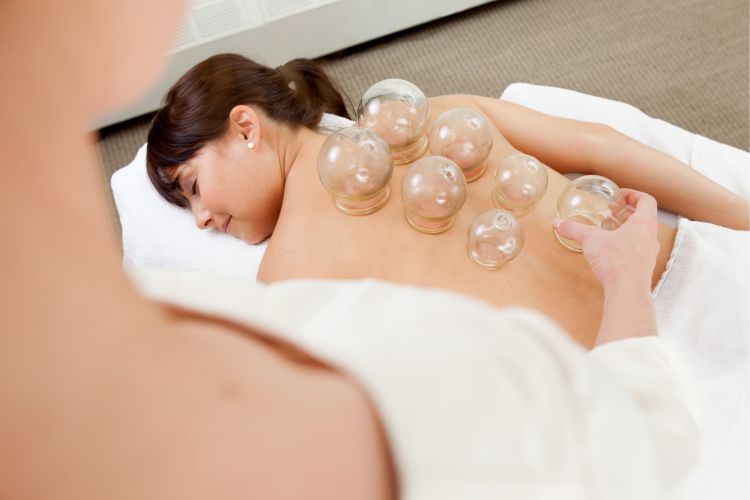
The cups will be applied to targeted areas based on your specific needs—whether that’s releasing tension in your upper trapezius, improving mobility in your hip flexors, or addressing scar tissue from a previous injury.
Most patients describe the sensation as a gentle pulling or tugging on the skin. While cupping is generally not painful, you may experience temporary discomfort in areas with significant tension or restriction.
The cups typically remain in place for 5-15 minutes, though your therapist may use dynamic cupping techniques that involve movement.
What About Those Marks?
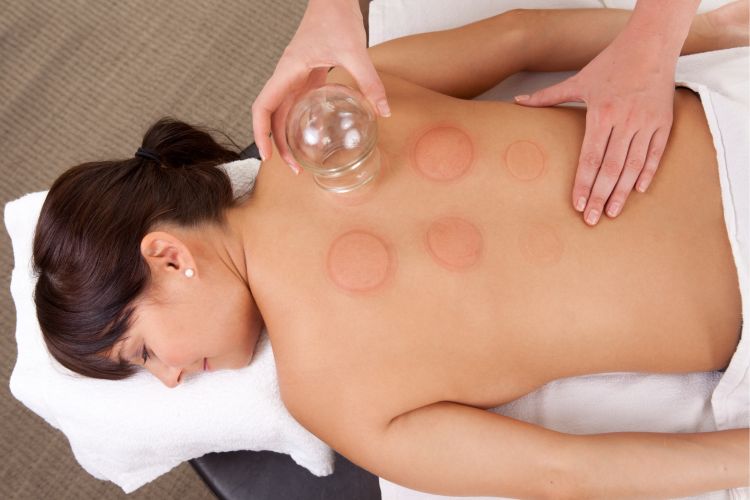
After treatment, it’s common to see circular marks or discoloration on the skin where the cups were placed. These marks are not bruises but rather a result of increased blood flow to the area. They typically fade within a few days to a week and are a normal part of the healing process.
Cupping as Part of Your Care
At Rock Physical Therapy and Acupuncture, cupping is never used in isolation.
We integrate this modality into personalized treatment plans that may also include manual therapy, therapeutic exercise, acupuncture, and movement education. Our goal is to address the root cause of your pain or limitation—not just provide temporary relief.
Is Cupping Right for You?
Cupping therapy can benefit a wide range of conditions, but it’s not appropriate for everyone. Your physical therapist will evaluate your medical history and current condition to determine if cupping is safe and effective for you.
Cupping may be particularly helpful if you’re experiencing:
- Chronic muscle tension or trigger points
- Limited mobility in joints or soft tissue
- Post-exercise soreness or recovery needs
- Scar tissue or adhesions from previous injuries
- Persistent pain that hasn’t improved with other interventions
Ready to Experience the Benefits of Cupping?
Discover how cupping therapy can enhance your recovery and help you move with greater ease and confidence.
Our experienced physical therapists will create a personalized treatment plan that addresses your unique needs and goals.